B2B PVC Decorative Film: OEM Sourcing & Selection Guide
Discover the ultimate B2B sourcing guide for PVC decorative films. Learn how to select the correct thickness, material formula, and performance coatings for flat lamination and profile wrapping processes. Avoid common procurement mistakes and ensure top quality for your OEM PVC wall panel projects with our expert insights.
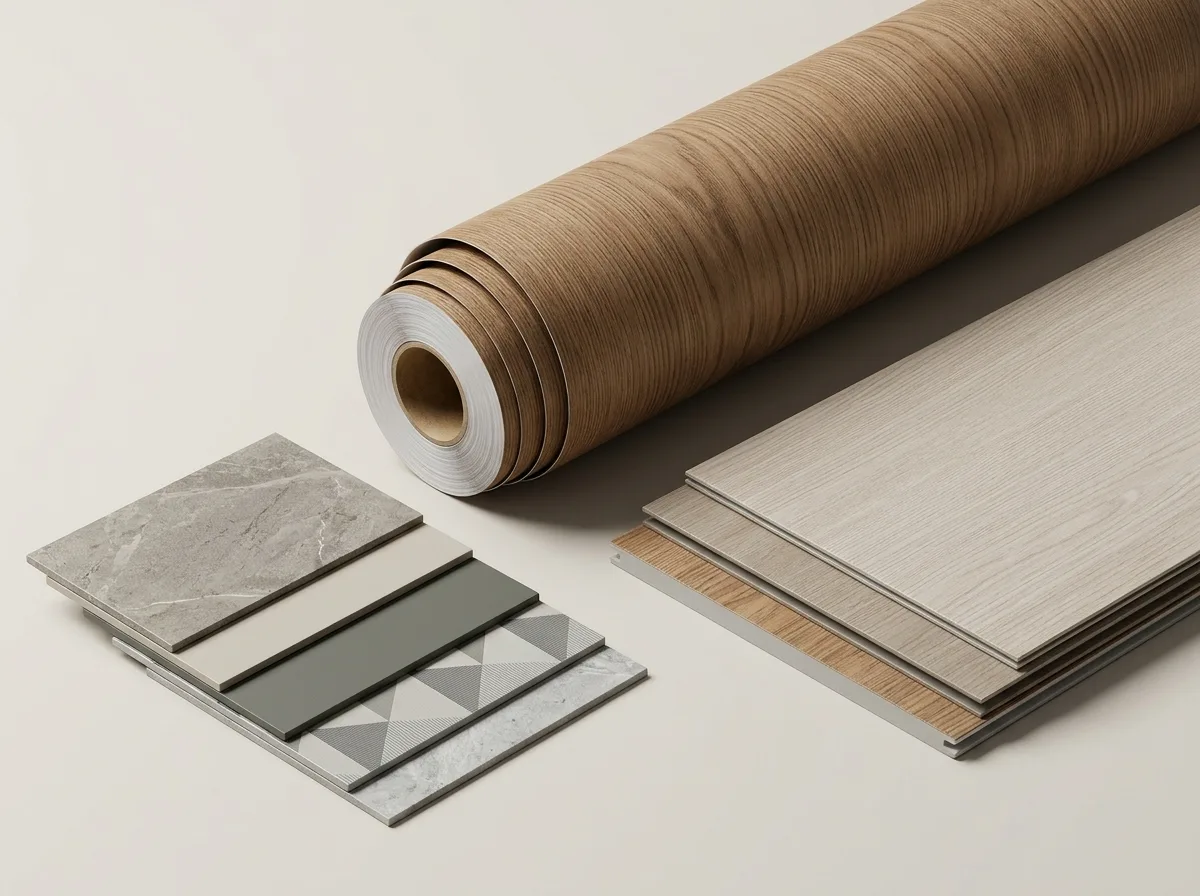
The Ultimate B2B Sourcing Guide for PVC Decorative Films
In the competitive manufacturing of integrated wall panels, LVT flooring, and self-adhesive foam wall panels, surface materials dictate the final texture, processing yield, and lifespan. For importers and contractors, choosing the right OEM PVC decorative film supplier is crucial. The core conclusion: Quality is never just about choosing the thickest or cheapest option; it requires matching the precise thickness (ranging from 0.10mm to 0.40mm), material formula, and functional coatings to your specific flat lamination or profile wrapping manufacturing processes to avoid shrinking, peeling, or fading. As a leading supplier, DecoSupplier ensures our partners understand these critical specifications.
The Core of Thickness Selection: Matching Your Manufacturing Process
Many buyers assume that thicker PVC decorative films for 3D wall panels or peel-and-stick wallpaper automatically equal better quality. This is a procurement myth. The ideal thickness depends entirely on the thermal load of your processing method. Standard PVC film thickness ranges from 0.10mm to 0.40mm, but applying the wrong gauge leads to severe production defects.
Flat Lamination vs. Profile Wrapping
The temperature difference between lamination techniques dictates the minimum thickness of the PVC decorative film you should source:
- Flat Lamination: In this process, adhesives are applied directly to the flat board substrates. The processing temperature generally remains between 110 degrees Celsius and 120 degrees Celsius. Because the thermal load on the film is relatively low, thicknesses ranging from 0.14mm to 0.24mm are highly suitable. In cost-sensitive projects, even thinner films around 0.10mm to 0.12mm can successfully meet basic flat lamination requirements for standard PVC wall panels.
- Profile Wrapping: This is a more aggressive process where the adhesive is applied directly to the surface of the film itself, and temperatures escalate to 120 to 130 degrees Celsius. The film must stretch completely under heat to adhere securely to complex profiles. If you source a film thinner than 0.14mm for wrapping, the high heat shrinkage rate will cause immediate wrinkling, snapping, and tearing.
Direct Answer for Manufacturing: For general flat lamination, 0.12mm to 0.16mm is optimal. For profile wrapping, you must mandate 0.16mm to 0.20mm thickness to guarantee manufacturing yields. Never use films below 0.14mm for high-temperature wrapping applications.
Special Requirements for Deep Texture Films
When sourcing materials with deep textures like authentic wood grain, fabric weaves, or artistic stucco, standard thickness rules must be adjusted. Deep textures cause uneven stress distribution across the material. Even at gauges of 0.17mm to 0.19mm, deep-textured films demand exceptional flexibility. If manufactured in low-temperature winter environments without precise thermal controls, these films are prone to pattern distortion and edge cracking.
Material Formulas: The Quality Divide Beneath the Thickness
Why can two rolls of 0.16mm waterproof PVC wall panel film have wildly different wholesale prices? The secret lies in the chemical formulation. PVC decorative films consist of PVC resin, plasticizers, stabilizers, and fillers. The ratio of cheap fillers directly impacts flexibility and longevity.
The Trap of Thick But Brittle Over-Filled Films
To offer artificially low prices, some irresponsible suppliers overload their formulas with calcium silicate and stone powder. They sell you a thick gauge, but it is a thick and brittle trap.
- The material feels excessively rigid at room temperature and becomes extremely brittle in cold winter climates.
- During profile wrapping, the edges will inevitably snap or peel.
- Post-installation, the high coefficient of thermal expansion leads to the edges lifting and the adhesive failing over time.
A premium OEM PVC decorative film supplier prioritizes resin over cheap fillers. This ensures that even a thinner 0.14mm to 0.18mm film retains superior flexibility, maintaining a stable stretch rate across varying temperature environments.
The Core Balancing Logic of Quality Formulas
High-quality decorative films achieve a delicate equilibrium between thickness, flexibility, and texture fidelity. Extensive factory testing proves that the best film for wrapping wall panels isn't the thickest one. It is the one that combines the correct minimum thickness with high heat resistance and elasticity, ensuring both high production yields and excellent long-term end-user satisfaction.
Printing and Functional Layers: Aesthetics and Durability
As a brand buyer or commercial distributor, the visual appeal and functional performance of your LVT flooring or decorative films dictate your market positioning.
The Printing Layer for Authentic Textures
The printing layer determines the visual impact of your decorative materials. Films in the same price bracket can look vastly different based on printing technology. High-definition gravure printing and weather-resistant inks provide superior depth, replicating the nuanced ridges of natural wood or the matte finish of artistic paint.
Functional Attributes for Specific Application Scenarios
Different commercial environments require vastly different surface treatments:
- Light Resistance: Standard PVC films are less UV-resistant than melamine paper. If exposed to direct sunlight in commercial spaces or near large windows, standard films will yellow and fade. Always specify upgraded high-light-resistance formulas for these zones.
- Anti-Slip and Anti-Bacterial: Standard PVC films lack native medical-grade hygiene ratings. For hospital, clinic, or educational renovations, standard films are insufficient. You must request custom post-treatment coatings for anti-slip and anti-bacterial properties to meet strict commercial building codes.
Scenario-Based Sourcing Recommendations for Importers
To streamline your procurement process, here are the recommended specifications for various B2B project demands:
- Standard Commercial Wall Panels (Flat Lamination Process): Sourcing 0.12mm to 0.16mm thickness with a standard formula prioritizes cost-efficiency while meeting fundamental decorative demands.
- Profile Wrapped Wall Panels: Mandate 0.16mm to 0.20mm high-flexibility wrapping grade films. Strictly prohibit films under 0.14mm to eliminate the risk of peeling.
- Heavy Doors and Thick Profiles: Require 0.24mm to 0.30mm thick gauge, high-stretch formulas suitable for complex secondary processing.
- High Sunlight Commercial Zones: Specify 0.16mm to 0.20mm with a custom high-light-resistance formula to prevent long-term discoloration.
- Healthcare and Educational Facilities: Source 0.18mm to 0.20mm films explicitly treated with anti-bacterial and anti-slip functional coatings.
By understanding the intricate relationship between thickness, formulation, and application, wholesale buyers and brand owners can partner with a reliable factory like DecoSupplier to source optimized, defect-free PVC materials.
Frequently Asked Questions
What is the minimum order quantity for OEM PVC decorative film?
The typical MOQ for OEM PVC decorative film is usually customized based on your specific texture and thickness requirements, often starting at standard wholesale volumes.
Can I get free samples of waterproof PVC wall panel film?
Yes, reliable B2B suppliers like DecoSupplier typically offer free small-roll samples for commercial buyers to test adhesion and quality before bulk orders.
What is the best PVC film thickness for profile wrapping?
For profile wrapping processes, the ideal PVC film thickness ranges from 0.16mm to 0.20mm to ensure proper stretching and prevent wrinkling under high temperatures.
How does flat lamination differ from profile wrapping in PVC film processing?
Flat lamination applies glue directly to flat boards at 110 to 120 degrees Celsius using thinner 0.12mm to 0.16mm films, whereas profile wrapping applies glue to the film itself at 120 to 130 degrees Celsius, requiring highly flexible 0.16mm to 0.20mm films.
Why is my PVC decorative film shrinking during manufacturing?
Shrinking often occurs when using films thinner than 0.14mm for high-temperature wrapping processes, or when the film formula contains too many rigid fillers and lacks sufficient flexibility.
Does thicker PVC film mean better quality for wall panels?
No, thicker PVC film does not automatically mean better quality; heavily filled cheap films can be thick but extremely brittle and prone to cracking.
Are there UV resistant PVC decorative films for commercial use?
Yes, for commercial spaces with high sunlight exposure, you must specify PVC films with an upgraded high-light-resistance formula to prevent yellowing and fading.
Can I customize the wood grain texture on PVC decorative films?
Absolutely, advanced OEM manufacturers utilize high-definition gravure printing to create customized, highly realistic wood, stone, or fabric textures tailored to your project.
With over 15 years of field experience across the PVC decorative film, flooring and wall panel industries, he specializes in material formulation, lamination process optimization and cost-performance balancing for global B2B sourcing professionals.
Related Articles
LVT Flooring Installation Specs: B2B Buyer's Guide
A factory-side guide to LVT sheet flooring installation specifications for B2B buyers. Covers subfloor flatness tolerances, moisture testing, adhesive open time, seam cutting, wear layer selection and the procurement policies that determine whether an LVT supplier can support commercial projects across repeat orders.
Glue-Down LVT Flooring: B2B Installation & Sourcing Guide
A factory-direct guide for importers and contractors on glue-down LVT flooring installation, covering subfloor preparation, adhesive application, wear-layer specs, MOQ, free samples, OEM/ODM customization, lead time, and container shipping from DecoSupplier.
Commercial LVT Flooring Installation: B2B Buyer Guide
This B2B guide explains how importers and contractors should specify commercial LVT flooring for 2,000 sqm projects. It covers 4.0mm thickness, 0.5mm wear layer, substrate tolerances, adhesive and welding standards, QC thresholds, MOQ, free samples, OEM/ODM options, lead times, packaging and FOB/CIF shipping from DecoSupplier.