LVT Flooring Installation Guide for B2B Buyers
This B2B guide explains LVT flooring installation for importers, distributors, and contractors. It covers substrate preparation, adhesive and copper foil use, heat welding, quality standards, common defects, MOQ, free samples, OEM/ODM customization, lead time, certifications, capacity, packaging, and container loading. Use it to compare PVC flooring suppliers and prepare purchase specifications before requesting a factory quote.
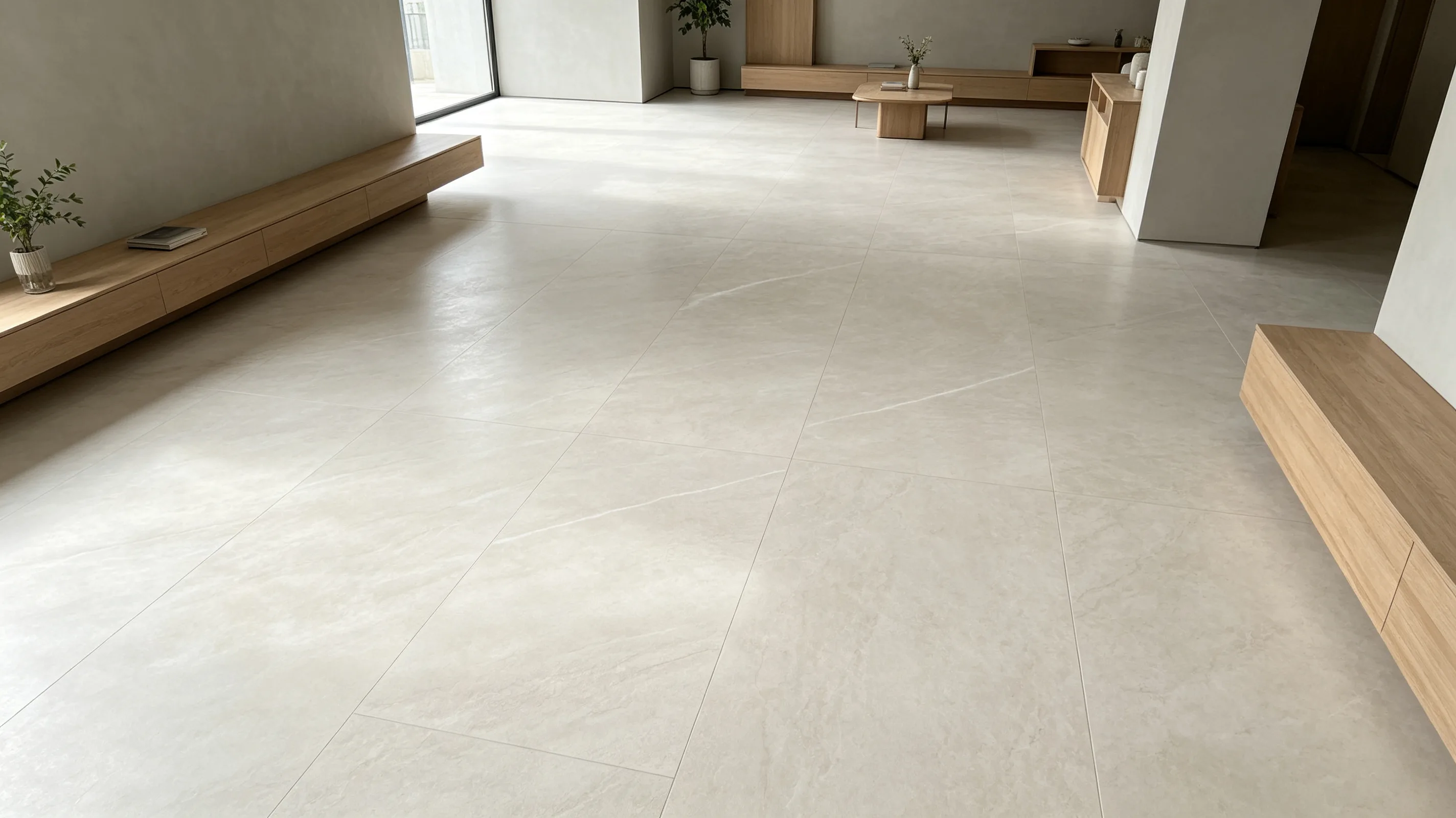
LVT Flooring Installation Guide for B2B Buyers: Specs, MOQ, Samples, and Factory QC
For B2B buyers, LVT flooring installation quality depends on substrate flatness, adhesive control, seam welding, and batch consistency—not only on the plank itself. As a factory supplier, we explain the specifications, MOQ, samples, lead time, and QC checks that matter before you order.
Why LVT Flooring Installation Matters in B2B Procurement
Importers, distributors, contractors, and brand buyers do not purchase LVT flooring as a single retail item. They purchase a repeatable system. Our factory supplies PVC decorative materials including LVT flooring, PVC wall panel, self-adhesive film, self-adhesive foam wall panel, 3D wall panel, and peel-and-stick wallpaper. For LVT flooring, installation performance affects claim rates, project acceptance, and repeat orders. A 0.3 mm wear layer, 2.0–5.0 mm overall thickness, and stable locking or dry-back format must match the substrate and adhesive plan. If installation fails, the buyer may face seam lifting, hollow spots, color variation, or edge curling.
We support buyers with ISO 9001 production, 52 patents, 1,000+ stock colors, and export experience in 30+ countries. We provide technical data, samples, and batch QC records so your installation team can plan correctly.
Request a factory quote with your project size, target thickness, wear layer, and application area.
LVT Flooring Installation Process: From Substrate Preparation to Heat Welding
The installation process for PVC flooring is not only a site task; it starts with purchase specifications. For bulk orders, buyers should confirm plank size, wear layer, backing, adhesive type, and whether conductive copper foil is required. We recommend a pre-installation meeting between the buyer, contractor, and our technical team.
Substrate Preparation for PVC Flooring Installation
The substrate must be dry, clean, flat, and structurally sound. We recommend self-leveling cement or epoxy self-leveling. The floor should have no waves, hollow areas, loose sand, or debris. Flatness tolerance should be no more than 2 mm. Wall corners should be square at 90 degrees. Ambient temperature should be at least 10°C, relative humidity no more than 80%, and substrate moisture content no more than 8%. Clean residual mortar, dust, oil, and paint. Repair cracks, hollow spots, and delamination with epoxy putty or polymer cement. If oil exists, wash with soap solution.
Ask about MOQ and lead time for your substrate-specific LVT flooring specification.
Adhesive, Copper Foil, and ESD Requirements
For standard dry-back LVT, use the adhesive recommended by the factory. For ESD PVC flooring, install 0.05 mm thick, 10 mm wide copper foil in a 2 m × 2 m grid, then apply conductive adhesive. Mix two-component adhesive by exact weight after separately stirring each component. Store adhesive in sealed plastic drums. Open only when needed, and use within 2–4 hours per batch. Apply adhesive evenly with a serrated trowel. Allow 30 minutes or until tacky but not stringy. Place copper foil before adhesive where conductivity is required. Test resistance from floor surface to copper foil with a megohmmeter. If resistance fails, locate the fault and reinstall.
Request a factory quote for ESD LVT flooring with copper foil and conductive adhesive.
Heat Welding and Seam Quality for LVT Flooring
Wait 24 hours after installation before heat welding. Cut adjacent edges into a V-groove. Use round welding rod with uniform color and no holes or wrinkles. Hot-air welding pressure should be 0.08–0.10 MPa, and temperature 180–250°C. After welding, trim the rod and clean the seam. Inspect after 30 minutes for hollow spots, unevenness, or color difference. View from different angles to check batch color consistency. The finished floor flatness should be within 3 mm. Seams should be tight, patterns should match, and there should be no adhesive marks. Allow 48 hours before normal use. Clean with soap solution, not acid cleaners.
Download the spec sheet for seam welding parameters and QC tolerances.
Quality Standards, Color Control, and Common Installation Defects
A professional LVT flooring supplier should define quality standards before shipment. Our QC checks include plank dimension, edge straightness, squareness, surface appearance, color difference, wear layer thickness, and adhesive compatibility. For color control, we compare batch samples under standard light and keep color difference within an agreed tolerance, typically ΔE ≤ 1.0 for stock colors. We also perform batch sampling inspection before packing.
Common defects include hollow spots, sand protrusions, seam misalignment, color variation, and flatness deviation. Hollow spots usually come from uneven substrate, incomplete cleaning, uneven adhesive, insufficient roller pressure, or early installation before adhesive is ready. Sand protrusions come from dirty substrate. Seam misalignment comes from inconsistent plank dimensions or marking errors. Color variation comes from batch mixing. To reduce risk, buyers should order enough quantity per color in one production batch and keep batch numbers separate by room or floor.
Talk to our QC team about inspection criteria and batch color control for your order.
MOQ, Sample Policy, and Customization for LVT Flooring Orders
Our standard MOQ is 1,000 sqm per color for stock LVT flooring. For custom OEM/ODM production, MOQ is usually 2,000 sqm per color, depending on size, thickness, wear layer, backing, and packaging. We offer free samples and swatch books. Buyers cover international courier costs or provide a courier account. Sample lead time is 3–7 days for stock items and 10–15 days for custom samples. Customization includes plank size, thickness from 2.0 mm to 5.0 mm, wear layer from 0.1 mm to 0.5 mm, colors, textures, surface finish, backing, logo, and packaging. We also produce PVC wall panel, self-adhesive film, self-adhesive foam wall panel, 3D wall panel, and peel-and-stick wallpaper under OEM/ODM programs.
Get free samples and ask about MOQ for your target LVT flooring color.
Lead Time, Capacity, Packaging, and Shipping for Wholesale LVT Flooring
Regular LVT flooring orders ship in 15–20 days after deposit and sample approval. Custom OEM/ODM orders require 25–35 days, depending on artwork, tooling, and raw material stock. Our factory has a monthly capacity of 200,000 sqm and more than 30 production lines for PVC decorative materials. Packaging uses export cartons, pallets, and stretch film. A 20ft container can load approximately 2,000–2,500 sqm of 4 mm LVT, while a 40HQ container can load approximately 5,000–6,000 sqm, depending on plank size and packaging. We support FOB Ningbo or Shanghai, CIF, and other trade terms by agreement. We provide container loading photos and packing lists before shipment.
Ask about MOQ, lead time, and container loading for your destination port.
Certification, QC, and Supplier Comparison for PVC Flooring Buyers
When comparing suppliers, review ISO 9001, SGS, REACH, CE, and other test reports for the exact product. Confirm wear layer, fire rating, water resistance, antibacterial treatment, and dimensional tolerance. Ask for factory audit access, production line video, batch test reports, and sample retention policy. Our factory holds ISO 9001, 52 patents, and serves 30+ countries. We maintain raw material traceability, in-line inspection, and final random inspection. For PVC wall panel and LVT flooring, we control color, thickness, and surface texture before packing. Buyers should compare total landed cost, not only unit price, including packaging, loading, freight, and expected claim rate.
Request a factory quote and supplier comparison checklist for LVT flooring.
Safety, Maintenance, and Defect Prevention for PVC Flooring Projects
Installation teams must complete fire, electrical, and chemical safety training before work. Keep the room ventilated, open doors and windows, and prohibit smoking. After installation, allow 48 hours before normal use. Enter with clean, nail-free shoes or flat rubber slippers. Remove oil and ink stains immediately with soap solution; do not use acid cleaners. Protect the floor with soft material under ladders during electrical or painting work. For local damage, remove the old adhesive, clean the substrate, and reinstall a replacement plank. Prevent hollow spots by ensuring a dry, clean, flat substrate, even adhesive application, proper roller pressure, and correct open time. Prevent sand protrusions by cleaning the substrate thoroughly. Prevent seam misalignment by using consistent plank dimensions and accurate marking.
Ask about MOQ and lead time for your next PVC flooring project.
FAQ for B2B LVT Flooring Buyers
What is the MOQ for LVT flooring? Our standard MOQ is 1,000 sqm per color for stock items and 2,000 sqm per color for custom OEM/ODM orders.
Can I get free samples? Yes, we provide free samples and swatch books; buyers cover international courier costs or provide a courier account.
How long is lead time? Regular orders take 15–20 days; custom orders take 25–35 days after deposit and sample approval.
Do you offer OEM/ODM? Yes, we customize size, thickness, wear layer, color, texture, backing, logo, and packaging.
What certifications do you have? ISO 9001, SGS, REACH, and CE reports are available for qualified products.
How do you control color difference? We compare batch samples under standard light and keep ΔE ≤ 1.0 for stock colors.
What is the container load? A 40HQ can load about 5,000–6,000 sqm of 4 mm LVT, depending on packaging.
What adhesive is required? Use factory-recommended adhesive; for ESD flooring, use conductive adhesive with 0.05 mm copper foil.
Ask about MOQ and lead time for your project.
Conclusion: Prepare LVT Flooring Specifications Before You Order
For B2B buyers, successful LVT flooring procurement combines product specification, installation planning, and factory QC. Confirm substrate flatness ≤2 mm, moisture ≤8%, adhesive open time, copper foil grid for ESD, heat welding parameters, and batch color control before ordering. Our factory supports importers, distributors, wholesalers, contractors, and brand buyers with ISO 9001 production, 52 patents, 1,000+ stock colors, free samples, OEM/ODM customization, and export packaging.
Request a factory quote, get free samples, talk to our OEM/ODM team, and ask about MOQ and lead time for your next LVT flooring or PVC wall panel order.
Frequently Asked Questions
What is the MOQ for LVT flooring?
Our standard MOQ is 1,000 sqm per color for stock LVT flooring and 2,000 sqm per color for custom OEM production.
Can I get free samples of PVC flooring?
Yes, we provide free samples and swatch books; buyers cover international courier costs or provide a courier account.
How long is your lead time for wholesale LVT flooring?
Regular orders take 15–20 days, and custom OEM/ODM orders take 25–35 days after deposit and sample approval.
Do you offer OEM and ODM customization for PVC decorative film?
Yes, we customize size, thickness, wear layer, color, texture, backing, logo, and packaging under OEM/ODM programs.
What certifications does your factory hold for LVT flooring?
Our factory holds ISO 9001 and can provide SGS, REACH, and CE reports for qualified LVT flooring products.
How do you control color difference in PVC wall panel orders?
We compare batch samples under standard light and keep color difference within ΔE ≤ 1.0 for stock colors.
What is the shipping volume for a 40HQ container of LVT flooring?
A 40HQ container can load approximately 5,000–6,000 sqm of 4 mm LVT flooring, depending on plank size and packaging.
How should I compare LVT flooring suppliers from China?
Compare ISO 9001, test reports, wear layer, MOQ, lead time, QC process, container loading, and total landed cost, not only unit price.
What adhesive and copper foil are required for ESD PVC flooring installation?
Use conductive adhesive with 0.05 mm thick and 10 mm wide copper foil installed in a 2 m × 2 m grid for ESD PVC flooring.
What are the payment terms and trade terms for bulk PVC flooring orders?
We support FOB Ningbo or Shanghai, CIF, and other trade terms by agreement, with payment terms confirmed in the sales contract.
With over 15 years of field experience across the PVC decorative film, flooring and wall panel industries, he specializes in material formulation, lamination process optimization and cost-performance balancing for global B2B sourcing professionals.
Related Articles
LVT Flooring Installation Specs: B2B Buyer's Guide
A factory-side guide to LVT sheet flooring installation specifications for B2B buyers. Covers subfloor flatness tolerances, moisture testing, adhesive open time, seam cutting, wear layer selection and the procurement policies that determine whether an LVT supplier can support commercial projects across repeat orders.
Glue-Down LVT Flooring: B2B Installation & Sourcing Guide
A factory-direct guide for importers and contractors on glue-down LVT flooring installation, covering subfloor preparation, adhesive application, wear-layer specs, MOQ, free samples, OEM/ODM customization, lead time, and container shipping from DecoSupplier.
Commercial LVT Flooring Installation: B2B Buyer Guide
This B2B guide explains how importers and contractors should specify commercial LVT flooring for 2,000 sqm projects. It covers 4.0mm thickness, 0.5mm wear layer, substrate tolerances, adhesive and welding standards, QC thresholds, MOQ, free samples, OEM/ODM options, lead times, packaging and FOB/CIF shipping from DecoSupplier.